
The short answer is yes. A sinus lift at Aylan Clinic Tunisia creates the bone height needed to place implants in the upper back jaw, for up to 60% less than Canadian private prices. Nobody arrives wanting a sinus lift: they want implants to replace missing upper molars, and they are told the sinus is in the way. This guide explains what that means, what the options are and — importantly — whether you need the procedure at all.
This page is the long-form guide. If you want the procedure page itself — how the operation is performed, the stay and the aftercare — read Sinus Lift For Dental Implants in Tunisia. You can also place it within our wider dental care in Tunisia overview and compare figures on our plastic surgery prices in Tunisia page.
Three things deserve stating before you read further. There are two very different sinus lift procedures, and they are not comparable in invasiveness, healing time or cost — section 3 sets them out, and which one you need is a CBCT question rather than a preference. A meaningful proportion of patients told they need a lateral sinus lift need only the simpler internal approach, or short implants and no lift at all — section 2. And where you still have the tooth, section 5 may save you the entire procedure.
One thing distinguishes Tunisia: it is a French-speaking country. Not a clinic with French-speaking staff — a country where French is a working language across dentistry and daily life. This guide is organised around your journey: deciding, preparing, the trips, and what follows.
Part one — Deciding
1. Why the upper back jaw runs out of bone
The maxillary sinus. An air-filled cavity within the upper jaw bone, sitting directly above the roots of the upper molars and premolars. In some people the sinus floor sits low naturally, leaving relatively little bone between it and the mouth even with teeth present.
What happens after tooth loss. Two things at once, and together they are why this area is the most common site for grafting. The ridge resorbs from below, as it does anywhere after tooth loss — fastest in the first year. And the sinus expands downward from above, into the space the roots previously occupied. This process is called pneumatisation, and it is specific to the upper back jaw. The bone is therefore lost from both directions, which is why a patient who lost upper molars years ago frequently has only a few millimetres of bone remaining.
Why it matters for implants. An implant needs bone to anchor into. Where only a few millimetres remain between the ridge and the sinus floor, there is not enough — and the options are to create height, to use a shorter implant, or to place implants elsewhere.
What a sinus lift does. The sinus membrane — a thin lining on the floor of the sinus — is gently lifted upward, and graft material is placed in the space created. Over months, that material is replaced by your own bone, creating the height an implant needs. The sinus itself is not entered. The membrane is lifted, not breached — and section 10 explains what happens when it tears.
2. Do you actually need one?
The most useful section on this page.
Why the answer has changed. Short implants have changed what is possible. Implants substantially shorter than the traditional standard are now well documented, and in appropriately selected cases they perform comparably to longer implants placed in grafted bone. Where six or seven millimetres of bone height exists, a short implant may be entirely adequate — and it avoids a graft, a healing period, and frequently a trip.
Angled and alternative placements. Tilting implants forward into the bone anterior to the sinus. Placing implants in the pterygoid or zygomatic regions, in specific cases, which avoids the sinus entirely. And in full-arch cases, the All-on-4 posterior angulation is designed precisely to work around the sinus — which is why a patient told she needs bilateral sinus lifts for an upper arch may not. Our All-on-4 guide covers that.
What the CBCT establishes. The residual bone height between your ridge and your sinus floor, measured at each potential implant site. The general thresholds:
- More than eight to ten millimetres — frequently no lift needed at all.
- Five to eight millimetres — the crestal approach, section 3, which is minor.
- Less than five millimetres — the lateral approach, which is the more substantial procedure.
These are guides rather than rules, and bone density and the number of implants planned both affect the decision.
Get your CBCT in Canada. This is the single most useful thing you can do, and it applies to this procedure more than almost any other. Send us the DICOM files — the raw scan data — and we will tell you before you book whether you need a lift, which type, and whether short implants would avoid it. A number of patients who contact us having been told they need bilateral lateral sinus lifts learn from their own scan that they need one crestal lift, or none.
Ask any clinic: « Ai-je vraiment besoin d’un comblement sinusien, ou des implants courts seraient-ils possibles ? » A specific answer with your residual bone height in millimetres is an assessment. “You do not have enough bone” is not.
3. The two procedures, and why the distinction matters
They share a name and almost nothing else.
| Crestal (internal) | Lateral (external) | |
|---|---|---|
| Access | Through the implant site | Through a window in the side of the jaw |
| Bone height needed | Five to eight mm | Works with very little |
| Height gained | Two to four mm typically | Substantially more |
| Invasiveness | Minor | Moderate surgery |
| Implant placed at same time | Usually yes | Sometimes |
| Healing before implant | None, if simultaneous | Four to nine months if staged |
| Swelling | Minimal | Moderate to substantial |
| Trips | Frequently two | Frequently three |
| Cost | Considerably lower | Higher |
The crestal approach. Also called the internal or osteotome technique. Access is through the implant site itself — the same small opening prepared for the implant. The sinus floor is gently pushed upward with specialised instruments, graft material is introduced, and the implant is usually placed at the same time. Advantages: minor, quick, minimal swelling, and frequently no separate healing period because the implant goes in simultaneously. The limitation: it gains a limited amount of height — typically two to four millimetres — and it requires enough existing bone to hold the implant stable. Where you have five to eight millimetres, this is frequently all you need.
The lateral approach. Also called the external technique or lateral window. A window is opened in the outer wall of the jaw, the membrane is lifted under direct vision, and the space is filled with graft material. Advantages: it works with very little residual bone, it allows substantial height to be created, and the membrane is lifted under direct vision, which gives better control. Considerations: moderate surgery, with swelling and bruising, and where residual bone is very thin the implant cannot be placed at the same time — meaning four to nine months of healing first.
Which do you need? A CBCT question, determined by your residual height. Your plan states which, with your measurement in millimetres and the reasoning. Ask: « Quelle est ma hauteur osseuse résiduelle en millimètres, et quelle technique cela indique-t-il ? »
Why the distinction matters for comparing quotes. These are different procedures at materially different prices. A quote for “sinus lift” that does not specify which is not comparable to one that does — and a low quote may be for a crestal lift where your anatomy requires a lateral one.
4. Simultaneous or staged placement
This determines the number of trips, which for a Canadian patient is the practical question.
Simultaneous. The lift and the implant are done in one procedure, and they heal together. Possible where enough residual bone remains to hold the implant stable at placement — generally five millimetres or more, though bone density matters too. Standard with the crestal approach, and frequently possible with a lateral lift where residual height is at the upper end. Two trips: lift plus implant, then crown.
Staged. The lift is performed, allowed to heal for four to nine months, and the implant placed afterwards. Necessary where residual bone is very thin and the implant would have nothing solid to anchor into. Three trips: lift, implant, crown.

Why we plan for simultaneous wherever possible. Because one trip saved is a flight, a week, and a considerable amount of arranging. Your CBCT establishes whether it is possible, and your plan states it clearly. What we will not do is attempt simultaneous placement where the bone will not hold it. An implant that does not achieve stability at placement will not integrate — and the trip saved becomes a trip wasted plus a failed implant.
5. If you still have the tooth
This section may save you the entire procedure.
The window. The sinus expands downward after the tooth is removed. Before extraction, the roots hold the sinus floor at its current position.
Socket preservation. Graft material placed into the socket at the time of extraction maintains the ridge and limits sinus expansion. A minor procedure taking minutes beyond the extraction itself — and it frequently means a sinus lift is never needed, or that only a crestal lift is required later rather than a lateral one.
Immediate implant placement. Where the anatomy allows, the implant goes in at the time of extraction, preserving the bone by providing immediate stimulus.
What to do about it. If you have a failing upper molar or premolar, do not have it extracted without asking about this. Ask your Canadian dentist: « Est-ce qu’une préservation alvéolaire serait possible lors de l’extraction ? » And tell us at the enquiry stage if a tooth is still in place — we may plan the extraction into your treatment rather than have you extract it at home and lose the bone.
The honest arithmetic. Socket preservation at extraction is minor. A lateral sinus lift five years later is a substantial procedure with months of healing and an additional trip. A number of patients needing lateral lifts today would have needed nothing had the socket been preserved — and most were never offered it.
6. Where we would not proceed, or would proceed carefully
Active sinus infection. A sinus lift is not performed into an infected sinus. Acute sinusitis is treated first, and the procedure deferred until it has resolved.
Chronic sinus disease. Where there is chronic sinusitis, nasal polyps, or a history of sinus surgery, we would want an ENT assessment before proceeding. This is not a refusal. A healthy, well-draining sinus tolerates a lift well. A chronically inflamed one with impaired drainage is a different proposition, and the graft is more likely to become infected. If you have a history of recurrent sinusitis, tell us at the enquiry stage — it genuinely changes the assessment, and it may mean seeing an ENT specialist in Canada first.
Anatomical considerations the CBCT shows. Septa within the sinus — bony partitions that complicate membrane lifting and require a modified approach, present in a meaningful proportion of patients and far better known in advance. A very thin membrane, more prone to tearing. Blood vessels within the lateral wall, which the window must avoid. All of this is visible on a CBCT and invisible on a panoramic X-ray — which is another reason the scan is not optional.
Smoking. Section 12 — and it matters more for a sinus lift than for most grafting, because of the effect on both graft healing and sinus function.
Bone medications. Bisphosphonates and related drugs. Disclose them, section 12.
7. Why Canadian patients choose Tunisia
| Canada (private) | Tunisia — Aylan Clinic | |
|---|---|---|
| Cost | High, and frequently not covered at all | Up to 60% less |
| Wait time | Specialist referral, then scheduling | Rapid |
| Language | English or French | French throughout the country |
| Surgeon training | Canadian | Frequently French-trained |
| CBCT planning | Standard at good practices | Standard, included |
| Accommodation | Not applicable | Included, full board |
| Companion | Not applicable | Free, accommodated and fed |
Where the cost difference bites hardest. Sinus lifts are frequently not covered at all by Canadian dental plans, being treated as preparatory to the implant rather than as treatment in themselves. A patient facing bilateral lateral lifts plus implants plus crowns is looking at a substantial out-of-pocket figure with little insurance relief. The percentage saving therefore translates into a large absolute one.
Where the language matters on this treatment. At the moment you learn the plan is bigger than you expected. Being told that implants require a preliminary sinus procedure, months of healing and possibly a third trip is disappointing — and it involves understanding whether it is genuinely necessary, whether short implants would avoid it, and which approach your anatomy requires. Patients consistently tell us they asked more in their own language — and here that frequently means establishing that a lateral lift can be avoided, which is the most valuable outcome the conversation can have.
Surgeon training. A substantial proportion of Tunisian oral surgeons trained in France. Ask where yours qualified. We answer directly.
Part two — Preparing
8. From first contact to confirmed dates
The online consultation. Send a recent panoramic X-ray — and DICOM files if you have a CBCT. On this procedure the CBCT is what produces an accurate answer, and a panoramic X-ray genuinely cannot substitute.
What to send: the panoramic radiograph, any CBCT, which upper teeth are missing and how long they have been missing, whether any upper tooth is still in place but failing (section 5), any history of sinus problems, sinusitis, nasal polyps or sinus surgery, whether you have allergies affecting your nose, your medical history and all medications including bone medications, and whether you smoke. In French or in English, whichever you prefer.
What you receive. A plan stating your residual bone height in millimetres at each site, whether a lift is genuinely needed, which approach, whether short implants would avoid it, whether the implant can be placed simultaneously, the healing interval, the number of trips, and the cost — with an itemised quote. Within 24 to 48 hours. And where your scan shows a lift can be avoided, the plan will say so.
Questions worth asking before you commit.
- « Quelle est ma hauteur osseuse résiduelle en millimètres ? » — the number that determines everything.
- « Ai-je vraiment besoin d’un comblement, ou des implants courts suffiraient-ils ? »
- « Technique crestale ou latérale, et pourquoi ? » — different procedures at different prices.
- « L’implant peut-il être posé en même temps ? » — it determines whether you need two trips or three.
- « Y a-t-il des septa dans mon sinus ? » — a question that shows the scan has been read properly.
- « Que se passe-t-il si la membrane se déchire ? » — section 10, and a clinic that answers plainly is being straight with you.
- « Combien de voyages au total ? »
- « Où votre praticien a-t-il été formé ? »
What to arrange at home before you travel. Get your CBCT in Canada if you can (section 2). Tell us about any sinus history (section 6). Stop smoking (section 12). Disclose bone medications and blood thinners. If you have seasonal allergies, mention the timing — operating during a period of significant nasal congestion is not ideal, and where your allergy season is predictable, we can plan around it. Ask about any tooth still in place (section 5).
9. Understanding the timeline
The healing intervals. A crestal lift with simultaneous implant: the implant integrates over three to six months, as any implant does, with no separate graft healing period. A lateral lift with simultaneous implant: six to nine months before the crown, since both graft and implant are maturing. A lateral lift, staged: four to nine months before the implant is placed, then a further three to six months before the crown. These are biological minimums. Bone forms at the rate bone forms.
What this means for your travel.
| Scenario | Trips |
|---|---|
| Crestal lift with simultaneous implant | Two — lift plus implant, then crown |
| Lateral lift with simultaneous implant | Two — lift plus implant, then crown |
| Lateral lift, staged | Three — lift, implant, crown |
How we reduce trips. By planning for simultaneous placement wherever the bone allows (section 4). By combining everything needed into each visit — extractions, socket preservation, other implants, other treatment. And by being explicit at the planning stage about how many trips your case requires, so you can plan rather than discover.
For patients travelling from far. Tell us where you are travelling from at the enquiry stage. We will plan to minimise trips wherever the biology allows — and we will not compress a healing interval to save you a journey, because a graft that has not matured will not hold an implant.
Part three — The treatment
10. The membrane: what it is and what happens if it tears
Worth its own section, because it is the specific consideration of this procedure and patients are rarely told about it.
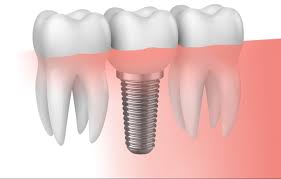
What the membrane is. A thin lining on the inner surface of the sinus, typically under a millimetre thick. The whole procedure depends on lifting it intact — it forms the roof of the space the graft occupies, and it keeps the graft material out of the sinus itself.
How often it tears. Membrane perforation is the most common event during a sinus lift, occurring in a meaningful minority of cases. It is more likely where the membrane is thin, where septa are present, and where residual bone is minimal. It is not a disaster, and it is not negligence. It is a recognised feature of the procedure.
What happens when it does. A small tear is repaired — typically with a collagen membrane placed over it — and the procedure continues. A large tear may mean the procedure is abandoned and rescheduled after several months of healing, which is the right decision rather than a failure. Proceeding through a large unrepaired tear risks graft material entering the sinus, which causes infection.
Why we tell you beforehand. Because a patient who is told during consent that this may happen understands a rescheduled procedure. A patient who is not told concludes something went wrong. Ask any clinic: « Que faites-vous si la membrane se déchire ? » A clear answer — repair where small, abandon and reschedule where large — is what you want. A clinic that implies it never happens is not being straight with you.
What reduces the risk. CBCT planning, which identifies septa and membrane thickness in advance. A lateral approach where residual bone is minimal, since the membrane is lifted under direct vision. And surgical experience, which on this procedure is genuinely the determining factor.
11. Your trip: the sinus lift stay
Four to six days for a crestal lift. Five to seven for a lateral lift.
Day 1 — Arrival. Your driver meets you at the airport and takes you to your hotel with your companion. Nothing clinical today.
Day 2 — Assessment and planning. Clinical examination, periodontal assessment, and CBCT if you have not brought one. Then your consultation: the plan on screen with your scan in front of you — your residual height in millimetres, the approach, whether the implant goes in simultaneously, whether septa are present, and the healing interval. This is also where, if your scan shows short implants would avoid the lift, we say so.
Day 3 — Surgery. Under local anaesthesia, with sedation available. A crestal lift takes little longer than placing an implant alone. A lateral lift takes substantially longer — the window is opened, the membrane lifted under direct vision, graft placed, and the window covered with a membrane before closure. Implants placed where simultaneous. Any extractions and socket preservation done at the same time.
Days 4 to 5 — Review and healing. A review appointment. After a crestal lift, discomfort is minimal and most patients are surprised how straightforward it was. After a lateral lift, swelling peaks around day two to three, frequently with bruising on the cheek and sometimes under the eye — which looks dramatic and is normal. Ice, your medication on schedule, and the sinus precautions in section 13, which matter more here than in any other dental procedure.
Day 6 — Final check and departure. Final review, suture check, and your documentation: a treatment report naming the approach, the graft material and any membrane repair; your CBCT; written aftercare in French or English, including the sinus precautions; and guidance for your Canadian dentist. Then your transfer to the airport.
Flying after a sinus lift. Worth a specific note. Cabin pressure changes affect the sinuses, and patients frequently ask about this. By day five to six, with the graft contained and the site closed, flying is not a clinical problem. We would not have you fly at day two after a lateral lift — both for comfort and because that is when swelling peaks. Take a decongestant before the flight if advised, and do not hold your nose and blow to equalise pressure — swallow or yawn instead (section 13).
12. Two things that most affect success
Smoking. It matters more for a sinus lift than for most grafting, and for two reasons. Bone formation depends on blood vessels growing into the graft, and nicotine constricts them. And smoking impairs the function of the cilia — the microscopic hairs that clear the sinus — which increases the risk of sinus infection during healing. We ask for four weeks before and eight weeks after, and ideally permanently. Canadian provincial quitlines are free, your pharmacist can advise on nicotine replacement, and combining behavioural with pharmacological support roughly doubles success rates. If you are not going to stop, tell us honestly — we would rather plan around it, and you should know your risk is materially higher.
Bone medications. Bisphosphonates and related drugs, prescribed for osteoporosis and some cancers, are associated with a rare but serious complication of jaw surgery. Tell us the drug, the dose, how long you have taken it, and whether oral or intravenous. Usually not a barrier — a reason to assess properly and sometimes to liaise with your prescribing physician. Never stop a prescribed bone medication on your own initiative.
13. The sinus precautions: stricter than any other dental aftercare
These matter more here than in any other procedure in our series, and the reason is mechanical.
The principle. The graft sits under a lifted membrane in a space connected to your sinus. Anything that raises pressure in the sinus can displace it.
The first two weeks.
- Do not blow your nose. At all. If you must, let it run and wipe it — this is the single most important instruction.
- Sneeze with your mouth open. Never suppress a sneeze, which dramatically raises sinus pressure.
- No straws.
- No smoking (section 12).
- No swimming or diving.
- No playing wind instruments.
- No heavy lifting or strenuous exercise, which raises pressure.
- Sleep with your head elevated on an extra pillow for the first nights.
- Do not use a nasal spray unless prescribed.
- Do not attempt to equalise your ears by holding your nose and blowing — swallow or yawn instead.
Medication. Antibiotics as prescribed, for the full course. A decongestant where prescribed, which reduces sinus pressure during healing. Antiseptic mouthwash rather than vigorous rinsing. Pain relief on schedule.
What is normal. Swelling peaking at day two to three, with bruising on the cheek and sometimes under the eye after a lateral lift. A small amount of blood-tinged discharge from the nostril on the operated side, in the first day or two — expected, and not a sign of failure. Nasal congestion on that side for a few days. A feeling of fullness in the cheek.
What warrants contacting us. Increasing pain after day three rather than improving. Fever, or worsening swelling after day three. Purulent discharge from the nose. A bad taste or smell, which may indicate graft infection. Air or fluid passing between your mouth and nose, which suggests a communication. Contact us — we are available, in French or English, and a photograph and a description are usually enough for us to advise.
Part four — What follows
14. After the graft: the implant and the crown
The sequence. Where the implant was placed simultaneously, it integrates over the healing period and the crown is fitted at your second trip. Where staged, the implant is placed once the graft has matured, and the crown follows three to six months later. Our dental implants guide covers both stages in full.
Confirming the graft. A radiograph before implant placement confirms the graft has matured and measures the height achieved. Where a staged approach was used and the graft did not achieve the height planned, the options are a shorter implant, a further graft, or a different site — and we would discuss it honestly.
What the grafted bone is like. Once mature, it is your own bone, and implants placed in it have survival rates comparable to implants in native bone in well-documented series. This is worth saying, because patients frequently assume grafted bone is somehow lesser. It is not.
15. Your Canadian follow-up
During healing. Nothing specific is required for the graft. Continue your normal six-monthly check-ups and cleaning. Tell your Canadian dentist what was done — your treatment report names the approach and the material.
If you develop sinus symptoms. Within the first months, tell us — in French or English. And tell any physician treating you for sinus problems that you have had a sinus graft, which is relevant clinical information. This matters particularly if you see an ENT specialist, who will want to know.
After the implant is placed. Standard implant maintenance — six-monthly check-up and cleaning with periodic radiographs, covered in our dental implants guide.
Keep your documentation. Your treatment report and your CBCT. The report records the approach, the graft material and any membrane repair — information any future surgeon or ENT specialist would want. Photograph it. Give a copy to your Canadian dentist.

Canadian insurance. Sinus lifts are frequently not covered at all, being treated as preparatory. Ask your insurer in writing whether bone grafting and sinus augmentation are covered under your plan, whether treatment abroad is reimbursable, and request pre-determination. We provide itemised invoicing separating the sinus lift from any implant work, in French or English — and that separation matters, since the implant may be covered where the graft is not.
Part five — Practical matters
16. Canadian patients: travelling to Tunisia from your region
Aylan Clinic works with patients from every province and territory in Canada. Wherever you live, the process begins the same way: a free consultation from your panoramic X-ray — and ideally your CBCT, in French or English.
Montreal and the surrounding region. Montreal is our largest Canadian source for Tunisia. Connections from Trudeau to Tunis typically route through Paris, Frankfurt or Istanbul. Patients from Laval, Longueuil and Brossard are all within easy reach of the airport. For a multi-trip pathway, the frequency of departures makes scheduling considerably easier.
Quebec City and across the province. From Quebec City and the Capitale-Nationale region including Lévis, most patients connect through Montreal — as do patients from Trois-Rivières, Sherbrooke, Drummondville and Saint-Jérôme, all within driving distance of Trudeau. Gatineau patients depart from Ottawa or drive to Montreal. From Saguenay, a domestic connection through Montreal is the norm. On this treatment the francophone advantage matters when you learn the plan is bigger than you expected. Understanding whether the lift is genuinely necessary, whether short implants would avoid it, and which approach your anatomy requires is what turns a disappointing conversation into an informed decision.
Acadia and New Brunswick. We work with patients from Moncton, Fredericton and Saint John. Moncton and the surrounding Acadian communities are served in French throughout. Most connect through Montreal.
Francophone Ontario. Sudbury, Thunder Bay and Sault Ste. Marie all have substantial francophone populations, served in French from first contact onward. Ottawa patients typically connect through Montreal.
Greater Toronto Area and southern Ontario. Toronto patients connect through European hubs, with Paris and Frankfurt the most common routes to Tunis. Across the wider Greater Toronto Area we work with patients from Mississauga, Brampton, Markham, Vaughan, Richmond Hill and Oshawa. Along the lake: Hamilton, Burlington, Oakville, St. Catharines and Niagara Falls. In southwestern Ontario: London, the Waterloo region — Kitchener, Waterloo and Cambridge — plus Guelph, Windsor and Barrie. Kingston patients generally drive to Toronto or Montreal.
Vancouver and British Columbia. Vancouver patients face the longest journey — typically two connections. For this procedure, minimising trips matters more than anywhere, and the difference between a staged lateral lift (three trips) and a crestal lift with simultaneous implant (two) is substantial from the west coast. Send your CBCT before booking. It is what allows us to tell you honestly which applies to you — and in some cases, that short implants avoid the lift entirely. Across the Lower Mainland: Surrey, Burnaby and Richmond. From Victoria and Nanaimo, patients cross by ferry or short flight. Kelowna, Abbotsford and Kamloops patients connect through Vancouver or Calgary.
Alberta. Calgary and Edmonton both offer European connections onward to Tunis. Red Deer and Lethbridge patients generally drive to Calgary. Same considerations as British Columbia.
Manitoba and Saskatchewan. Winnipeg patients connect through Toronto or Montreal. The francophone community of Saint-Boniface is served in French. From Saskatoon and Regina, journeys involve a domestic connection followed by two further flights.
Atlantic Canada. Halifax patients typically route through Montreal or Toronto. From Charlottetown and St. John’s, journeys involve two or three connections.
Northern Canada. We work with patients from Whitehorse in Yukon, and from communities across the Northwest Territories and Nunavut. For northern patients, the number of trips is the central planning question. We plan for simultaneous placement wherever the bone allows, we combine everything needed into each visit, and we are explicit at the outset about how many journeys your case requires. And section 5 applies with particular force: if you have a failing upper molar, socket preservation at extraction may prevent the entire procedure.
How we handle the logistics. Whichever city you are travelling from, your coordinator arranges airport transfers at both ends in Tunisia, confirms your hotel before you depart, and builds your schedule around your arrival time.
Five recommendations. Get a CBCT in Canada and send the DICOM files — it may establish that you need a crestal lift rather than a lateral one, or none. Tell us about any sinus history. Tell us about any upper tooth still in place (section 5). Stop smoking — it matters more here than for most grafting. And follow the sinus precautions exactly (section 13).
17. What your package includes
- Free consultation in French or English, with your residual bone height in millimetres and an honest assessment of whether a lift is genuinely needed
- Full on-site assessment: clinical examination, periodontal assessment
- CBCT scan and three-dimensional planning, including septa and membrane assessment
- Extractions where needed, with socket preservation where indicated
- The sinus lift — crestal or lateral as your anatomy requires
- Graft material and membrane, with the type named in your plan
- Membrane repair where perforation occurs
- Simultaneous implant placement where the bone allows
- Antibiotics, decongestant where prescribed, antiseptic mouthwash and pain relief
- Review appointments during your stay
- Suture check or removal before departure
- Written aftercare in French or English, including the sinus precautions
- Treatment report naming the approach, the graft material and any membrane repair
- Your CBCT
- Guidance for your Canadian dentist
- Itemised invoicing separating the sinus lift from implant work
- Hotel accommodation, full board
- A companion at no extra cost, accommodated and fed in the same room
- Airport–clinic–hotel transfers
- A personal coordinator from arrival to departure
- French-speaking care throughout, with English available on request
The clinical team. An oral surgeon or implantologist performs the sinus lift and implant placement, and is frequently French-trained. A dental radiologist handles CBCT interpretation, including septa and membrane assessment. A dedicated nurse provides post-operative care during your stay.
18. Results by patient profile
A crestal lift with simultaneous implant. A patient with seven millimetres of residual height at a single upper molar site. A crestal lift gaining three millimetres, with the implant placed at the same time. Minimal swelling, a four-day stay, and two trips in total. She had been told in Canada she needed a lateral lift — her CBCT showed otherwise.
Where short implants avoided the lift entirely. A patient with eight millimetres of height at two sites, quoted for bilateral sinus lifts elsewhere. Two short implants, no grafting, no healing interval beyond normal integration. She had her CBCT taken in Montreal and sent us the DICOM files before booking — which is exactly why we suggest it.
A lateral lift, staged. A patient who had lost upper molars fourteen years earlier, with two millimetres of residual bone. A lateral lift, seven months of healing, then implants, then crowns. Three trips, set out clearly at the planning stage so she could arrange her travel.
Socket preservation that prevented a lift. A patient with a failing upper first molar, who told us about it at the enquiry stage rather than having it extracted at home. We planned the extraction into her treatment, with socket preservation at the same time. Five months later the implant was placed with no sinus lift needed — where extraction alone would very likely have required one. Section 5 in practice.
A membrane perforation, managed. A patient whose CBCT showed a septum and a thin membrane. The membrane perforated during lifting, which had been discussed as a possibility at consent. It was small, repaired with a collagen membrane, and the procedure continued. Her graft healed normally. Being told beforehand is what made that an expected event rather than an alarming one.
Where we asked for an ENT assessment first. A patient with a history of recurrent sinusitis and previous sinus surgery. We asked for ENT assessment in Canada before proceeding. Her sinus drainage was confirmed adequate, and the procedure went ahead. That step was worth taking — and where the assessment had gone the other way, it would have prevented a graft infection.
A patient from Rimouski. A patient who arrived expecting implants and learned she needed a lift first. Her comment was about the conversation. She asked what her residual height actually was, whether short implants would work at that height, and what the difference between the two techniques meant for her. The answer to the second was yes on one side and no on the other — which halved the procedure.

19. Practical points to know
What to expect. A crestal lift is minor — comparable to having an implant placed, with minimal swelling. A lateral lift is moderate surgery — swelling peaking at day two to three, with bruising on the cheek and sometimes under the eye. Blood-tinged nasal discharge on the operated side for a day or two, which is expected. Strict sinus precautions for two weeks (section 13), and they matter more than in any other dental procedure. Four to nine months of healing where staged.
Recognised points. Sinus augmentation is a well-established procedure with high success rates in appropriately selected patients. Your surgeon will discuss the considerations relevant to you. The main ones: membrane perforation — the most common event, repaired where small and reason to reschedule where large (section 10); sinus infection, uncommon, and more likely in smokers and where drainage is impaired; graft infection or loss, uncommon, and the site can usually be regrafted; partial resorption of the graft, frequently still leaving adequate height; bleeding, usually minor; swelling and bruising, expected and sometimes extensive after a lateral lift; displacement of graft material into the sinus, which is why the precautions in section 13 exist; chronic sinusitis following the procedure, uncommon and more likely where pre-existing sinus disease was present; oro-antral communication, an opening between mouth and sinus, uncommon and treatable; and medication-related jaw complications in patients on bone medication.
Three things within your control. Not blowing your nose for two weeks — the single most important instruction. Not smoking — it affects both graft healing and sinus clearance. Taking the full antibiotic course as prescribed.
Who this suits. Adults with insufficient upper posterior bone height confirmed by CBCT, a healthy, well-draining sinus, in general good health, with any bone medication disclosed.
Who should be assessed further first. Patients with chronic sinusitis, nasal polyps, or previous sinus surgery — section 6.
If you still have the failing upper tooth. Read section 5 before having it extracted anywhere. It may prevent this procedure entirely.
20. Price: how it is built and how to compare it
Why we quote per case. Because crestal and lateral lifts are entirely different procedures, and whether the implant is placed simultaneously changes both the cost and the number of trips. Your quote is built from your CBCT where you send one, itemised, and fixed once you approve it.
What determines your price. Six factors: the crestal or lateral approach — the largest variable by a wide margin; one side or both; the volume of graft material needed; whether implant placement is simultaneous; whether extractions and socket preservation are combined; and the length of your stay.
What is included in your quote. Everything in section 17, including the CBCT and planning with septa assessment, extractions with socket preservation where indicated, the sinus lift, graft material and membrane, membrane repair where perforation occurs, simultaneous implant placement where planned, medication, review appointments, written aftercare with the sinus precautions, treatment report and CBCT, guidance for your Canadian dentist, itemised invoicing, hotel with full board, transfers, and your coordinator. A companion is accommodated and fed at no additional cost, on every trip.
What sits outside it. Flights for each trip, travel insurance, the implants and crowns themselves — quoted separately and covered in our implants guide — and follow-up in Canada.
How to compare quotes properly. Five checks.
- Does the quote specify crestal or lateral? They are materially different procedures at materially different prices — and a quote that does not say is not comparable.
- Is the assessment based on a CBCT, with your residual height stated in millimetres? A quote based on a panoramic X-ray may be quoting for a procedure you do not need.
- Is simultaneous implant placement possible, and is it quoted? It changes the number of trips.
- Is the implant included or separate? Most sinus lift quotes cover the graft alone.
- What happens if the membrane perforates and the procedure must be rescheduled? Ask, and have the answer in writing.
Why the lowest quote is rarely the best value. On this procedure the most expensive outcome is a failed graft — you lose the cost, the healing months, and a trip. What prevents it is CBCT planning that identifies septa and membrane thickness, the right approach for your anatomy, and a surgeon who performs this regularly. Membrane handling is genuinely the determining skill, and it is invisible in a price. And the cheapest option of all is the lift you did not need — which is why section 2 matters more than any price comparison.
Canadian insurance. Frequently not covered at all, being treated as preparatory. Ask your insurer in writing, and request pre-determination. Our itemised invoicing separates the sinus lift from implant work, in French or English — which matters, since the implant may be covered where the graft is not.
Payment. A deposit confirms the dates for each trip. The balance for each is settled on site, under terms set out in full when you approve your plan. There are no additional charges once accepted — and where the CBCT changes the plan, we discuss the revised plan and cost with you before proceeding.
Getting your figure. Send a recent panoramic X-ray — and DICOM files if you have a CBCT. Add which upper teeth are missing and for how long, whether any upper tooth is still in place but failing, any history of sinusitis, nasal polyps or sinus surgery, whether you have nasal allergies, your medical history and all medications including bone medications, and whether you smoke. You will receive a plan and quote within 24 to 48 hours, in French or English — including your residual bone height in millimetres and whether a lift is genuinely needed.
21. Glossary
- Maxillary sinus — the air cavity in the upper jaw, above the molar roots
- Pneumatisation — downward expansion of the sinus after tooth loss
- Residual bone height — the bone between your ridge and the sinus floor; the number that determines everything
- Crestal (internal) lift — access through the implant site; minor, gains two to four mm
- Lateral (external) lift — access through a window in the jaw; moderate surgery, gains more
- Sinus membrane — the thin lining lifted during the procedure
- Perforation — a tear in the membrane; the most common event, usually repaired
- Septum — a bony partition within the sinus; complicates lifting and is seen on CBCT
- Simultaneous placement — implant placed at the same time as the lift; saves a trip
- Socket preservation — graft at extraction; may prevent a sinus lift entirely
22. How Canadians search for this
- “Sinus lift Tunisia cost” — the most common search. Ask whether the quote is crestal or lateral, and whether the implant is included.
- “Sinus lift Tunisie” — how most Quebec patients search, and the reason this page exists in both languages.
- “Do I really need a sinus lift” — frequently not. Short implants and the crestal approach have changed what is possible, and a CBCT settles it.
- “Not enough bone for upper implant” — get your residual height measured in millimetres on a CBCT before accepting that assessment.
- “Crestal vs lateral sinus lift” — entirely different procedures. Section 3.
- “Short implants instead of sinus lift” — well documented, and they avoid the graft where height allows.
- “Sinus membrane perforation” — the most common event during the procedure, repaired where small. Not negligence.
- “Sinus lift recovery” — minimal after a crestal lift; swelling and bruising after a lateral one, peaking at day two to three.
- “Can I blow my nose after a sinus lift” — no, for two weeks. The single most important instruction.
- “Flying after sinus lift” — not at day two. By day five to six it is not a clinical problem.
- “Sinus lift and sinusitis” — a history of chronic sinusitis changes the assessment. Tell us, and an ENT opinion may be needed first.
- “Socket preservation upper molar” — may prevent a sinus lift entirely. Ask before having the tooth extracted.
- “French speaking dentist abroad” — Tunisia’s distinguishing feature.
In summary
A sinus lift at Aylan Clinic Tunisia begins with CBCT planning that establishes your residual bone height in millimetres — and an honest answer about whether you need a lift at all, whether short implants would avoid it, and which of the two very different techniques your anatomy requires. It includes simultaneous implant placement wherever the bone allows, membrane repair where perforation occurs, and written sinus precautions that matter more than in any other dental procedure. And it takes place in a French-speaking country, which matters most at the moment you learn the plan is bigger than you expected. With accommodation, full board and a companion at no extra cost on every trip, for up to 60% less than Canadian private prices.
Five things worth doing.
- Get a CBCT in Canada and send us the DICOM files. Ask for your residual height in millimetres — it determines whether you need a lateral lift, a crestal one, or none.
- Ask whether short implants would avoid the lift entirely. Implant design has moved on considerably, and a number of patients told they need bilateral lifts do not.
- If you still have the failing upper tooth, tell us before extracting it. Socket preservation at that moment may prevent this procedure completely.
- Tell us about any sinus history. A healthy sinus tolerates a lift well; a chronically inflamed one needs assessing first.
- Do not blow your nose for two weeks. It is the single most important instruction, and it protects everything the procedure achieved.
Send your panoramic X-ray — and your CBCT if you can get one — and you will have an honest answer within 24 to 48 hours, in French or in English.
For the procedure itself, read our page on Sinus Lift For Dental Implants in Tunisia. You can also review our dental care in Tunisia overview, compare plastic surgery prices in Tunisia, or request a free, personalized quote.
Related guides
- Dental Implants in Tunisia
- Dental Bone Grafting in Tunisia
- All-on-4 Dental Implants in Tunisia
- All-on-6 Dental Implants in Tunisia
- Full Mouth Rehabilitation in Tunisia
Everything about Sinus Lift in Tunisia
Technique, pricing, results and the full patient journey — every detailed answer on the procedure page.